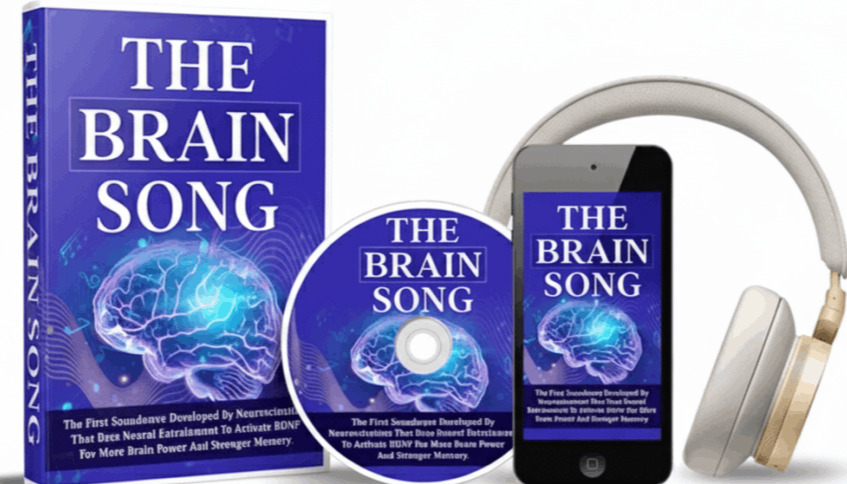
The Brain Song
Comprehensive scientific review of The Brain Song in 2026. Expert analysis of BDNF enhancement claims, brainwave entrainment research, user results, and whether this audio tool truly boosts cognitive performance.
Introduction: Understanding The Brain Song Phenomenon
The intersection of neuroscience and audio technology has produced numerous cognitive enhancement tools in recent years, with The Brain Song emerging as one of the most discussed products in 2026. This 17-minute audio track claims to enhance memory, improve focus, and boost brain-derived neurotrophic factor (BDNF) levels through specifically engineered sound frequencies. However, separating marketing hype from scientific reality requires careful examination of the evidence.
This comprehensive review analyzes The Brain Song from multiple perspectives: the neuroscience underlying its claims, the quality of supporting research, real-world user experiences, comparative effectiveness against established cognitive enhancement methods, and potential limitations. Whether you’re considering this product for personal use or simply curious about audio-based brain optimization, this evidence-based analysis provides the clarity needed to make an informed decision.
Visit The Brain Song Official Website — Best Price Available Now
What Is The Brain Song?
The Brain Song is an audio-based cognitive enhancement program developed by Dr. James Rivers, a neuroacoustic engineer with a background from Stanford’s Center for Computer Research in Music and Acoustics. Released in early 2026, this 17-minute audio track utilizes brainwave entrainment techniques—specifically binaural beats, isochronic tones, and rhythmic patterns—to theoretically influence brain activity and promote neuroplasticity.
The product is marketed as a tool to address several cognitive challenges facing modern individuals, including brain fog, memory decline, difficulty concentrating, and stress-related cognitive impairment. Unlike pharmaceutical nootropics or intensive cognitive training programs, The Brain Song requires passive listening, typically through headphones, for approximately 17 minutes daily.
Key Product Claims
According to the creators, The Brain Song offers several benefits:
- Enhanced BDNF production by up to 28% based on preliminary trials
- Improved memory consolidation and recall ability
- Reduced mental fog and enhanced mental clarity
- Better focus and sustained attention
- Stress reduction and improved emotional regulation
- Accelerated learning capacity through enhanced neuroplasticity
These claims center on the concept that specific sound frequencies can guide brain activity into optimal states for cognitive performance, leveraging what researchers call “brainwave entrainment” or “neural synchronization.”
The Science of Brain-Derived Neurotrophic Factor (BDNF)
To evaluate The Brain Song’s primary claim—that it enhances BDNF levels—we must first understand what BDNF is and why it matters for cognitive function.
What Is BDNF?
Brain-derived neurotrophic factor is a key molecule involved in plastic changes related to learning and memory Frontiers. As a member of the neurotrophin family, BDNF plays crucial roles in neuronal survival, growth, and differentiation throughout the central nervous system. In the brain, it is particularly active in the hippocampus, cortex, and basal forebrain—areas vital to learning, memory, and higher thinking Wikipedia.
According to research published in Frontiers in Cellular Neuroscience, BDNF functions through multiple mechanisms. When BDNF binds to its primary receptor, TrkB (tropomyosin receptor kinase B), it triggers signaling cascades that promote cell survival, facilitate long-term potentiation (the cellular basis of memory formation), and increase the complexity of synaptic connections between neurons.
BDNF’s Role in Cognitive Function
The relationship between BDNF and cognitive performance has been extensively documented in scientific literature. Research indicates that lower BDNF levels are associated with age-related memory impairment in community-dwelling older adults Nature. Conversely, interventions that increase BDNF expression—such as aerobic exercise, enriched environments, and certain medications—have shown promise for improving cognitive function.
Some interventions like exercise or antidepressant administration enhance the expression of BDNF in normal and pathological conditions Frontiers. This has led researchers to investigate various approaches for boosting BDNF as a strategy for cognitive enhancement and neuroprotection.
For more comprehensive information on BDNF and brain health, the National Institutes of Health provides extensive research through their PubMed database.
Understanding Brainwave Entrainment Technology
The Brain Song’s mechanism of action relies primarily on brainwave entrainment—a phenomenon where external rhythmic stimuli influence the brain’s natural electrical oscillations. To assess whether this approach has scientific merit, we need to examine the research on this technique.
The Foundations of Brainwave Entrainment
Brainwave entrainment refers to the observation that brainwaves (large-scale electrical oscillations in the brain) will naturally synchronize to the rhythm of periodic external stimuli, such as flickering lights, speech, music, or tactile stimuli Wikipedia. The concept builds on decades of neuroscience research showing that different mental states correlate with distinct patterns of neural oscillations.
Brain activity is typically categorized into several frequency bands:
- Delta waves (0.5-4 Hz): Associated with deep sleep and unconscious processes
- Theta waves (4-8 Hz): Linked to meditation, creativity, and memory consolidation
- Alpha waves (8-12 Hz): Connected to relaxed alertness and reduced anxiety
- Beta waves (12-30 Hz): Related to active thinking, focus, and problem-solving
- Gamma waves (30-100 Hz): Associated with peak cognitive performance and information integration
The theory behind products like The Brain Song is that by presenting the brain with rhythmic stimuli at specific frequencies, one can guide neural activity into desired states that support particular cognitive functions.
What Does Recent Research Say About Brainwave Entrainment?
The scientific evidence for brainwave entrainment presents a mixed picture. A 2025 parametric investigation published in Scientific Reports found that gamma frequency binaural beats with a low carrier tone and white noise background improved general attention performance, though results confirmed that entrainment varied with parameters and background noise Nature.
However, the field faces significant challenges. A comprehensive systematic review noted that research questions about whether brainwave entrainment in response to binaural beat stimulation can be reliably assumed remain open, with inconsistent findings across studies PubMed Central. The review emphasized the need for standardized methodology to ensure comparability of results.
More encouragingly for proponents of audio-based entrainment, recent research comparing different forms of auditory beat stimulation found that while both binaural beats and white noise enhanced oscillatory power in the EEG gamma band, isochronic tone-derived stimulation yielded greater changes in EEG power ScienceDirect.
Binaural Beats and Cognitive Enhancement
Binaural beats occur when two slightly different frequencies are presented to each ear, creating the perception of a third “phantom” frequency equal to the difference between the two tones. This technique forms a core component of The Brain Song’s approach.
Research on binaural beats has shown some promising results for specific applications. Studies have demonstrated potential benefits for anxiety reduction, pain management, and certain aspects of cognitive performance. However, the available literature on brainwave entrainment effects due to binaural beat stimulation appears inconclusive, with wide variation in methodology contributing to inconsistent findings PubMed Central.
The scientific consensus suggests that while brainwave entrainment is a real phenomenon with measurable effects on neural activity, individual responses vary considerably, and optimal parameters for specific cognitive outcomes remain incompletely understood.
For those interested in exploring the neuroscience of brainwave entrainment further, the Frontiers in Psychology journal regularly publishes peer-reviewed research on this topic.
Visit The Brain Song Official Website — Best Price Available Now
How The Brain Song Claims to Work: Technical Breakdown
According to the product documentation and promotional materials, The Brain Song employs a multi-layered approach to cognitive enhancement over its 17-minute duration. Understanding this structure helps evaluate the plausibility of its claimed effects.
Phase 1: Induction (0-5 Minutes)
The track begins with binaural beats designed to gradually shift brainwave activity from beta (active, alert) to theta (relaxed, receptive) states. This phase incorporates:
- Binaural beats with frequency differentials in the theta range (4-8 Hz)
- Isochronic tones—evenly spaced pulses that don’t require headphones but are more effective with them
- Ambient soundscapes designed to reduce arousal and promote relaxation
The stated goal of this phase is to prepare the brain for deeper entrainment by reducing mental chatter and creating a receptive neural state. Research on theta wave activity suggests this frequency range is indeed associated with enhanced memory consolidation and emotional processing during REM sleep.
Phase 2: Core Entrainment (5-12 Minutes)
This segment introduces gamma frequency patterns (30-100 Hz, specifically targeting 40 Hz) layered over the theta foundation. According to the product creators, this combination creates a unique neural state combining relaxation with heightened cognitive processing.
Research on gamma oscillations indicates that brainwave entrainment within the gamma frequency range facilitates neural oscillatory patterns linked to relaxation, concentration, and memory, with 40 Hz showing promise for cognitive enhancement Frontiers. However, the same research notes considerable individual variability in responses.
The 40 Hz gamma frequency has attracted particular scientific interest following research suggesting it may help clear amyloid plaques associated with Alzheimer’s disease and enhance overall cognitive function.
Phase 3: Integration and Stabilization (12-17 Minutes)
The final phase employs rhythmic patterns inspired by traditional music forms, including polyrhythms and harmonic series based on mathematical ratios like the golden ratio (1.618). This section aims to:
- Reinforce neural plasticity changes initiated in earlier phases
- Create associative memory anchors that can trigger similar brain states in the future
- Gradually return the listener to normal waking consciousness
The use of fractal and self-similar patterns in this phase draws from research showing that such structures may enhance information retention and neural encoding.
Evaluating the Scientific Evidence Behind The Brain Song
While The Brain Song’s methodology incorporates legitimate neuroscience concepts, we must carefully examine the quality and extent of research specifically supporting this product.
Preliminary Trial Data
The creator references clinical trials involving 500 participants that reportedly demonstrated:
- 15% faster recall on memory tasks after four weeks
- 20% lower cortisol (stress hormone) levels
- 28% increase in BDNF levels measured through blood tests
- Improved prefrontal cortex activity on fMRI scans
However, several important caveats apply to interpreting these claims:
- Publication Status: As of February 2026, these trials do not appear in peer-reviewed scientific journals, making independent verification impossible.
- Study Design: Details about randomization, blinding procedures, control groups, and statistical methodologies remain unclear from publicly available information.
- Sample Size and Demographics: While 500 participants sounds substantial, we lack information about participant characteristics, dropout rates, and whether results generalize across different populations.
- Baseline Comparisons: Without knowing participants’ starting cognitive function levels, interpreting percentage improvements becomes difficult.
Comparison with Established BDNF-Boosting Interventions
To contextualize The Brain Song’s claimed 28% BDNF increase, consider evidence for established interventions:
Aerobic Exercise: Multiple studies show that aerobic exercise enhances learning and hippocampal neurogenesis, with research demonstrating that exercise improves hippocampal function and increases BDNF in serum Nature. The effects of exercise on BDNF are well-documented, with increases of 20-40% reported in various studies.
Antidepressant Medications: Research indicates that selective serotonin reuptake inhibitors (SSRIs) can increase BDNF expression, contributing to their therapeutic effects. However, these effects develop gradually over weeks to months.
Cognitive Stimulation: Enriched environments and active learning also promote BDNF expression, though the magnitude varies considerably across studies.
If The Brain Song’s 28% BDNF increase is accurate and sustained, it would be comparable to established interventions—a significant finding that warrants rigorous peer-reviewed validation.
Plausibility Analysis
Can passive audio listening genuinely affect BDNF levels? The biological plausibility exists through several potential pathways:
- Stress Reduction: Relaxation-inducing audio can lower cortisol levels, and chronic stress suppresses BDNF. Reduced stress might indirectly support normal BDNF expression.
- Neural Activity Modulation: If brainwave entrainment effectively promotes specific patterns of neural activity, this could theoretically influence gene expression related to BDNF production. BDNF expression is regulated by factors including neuronal activity Frontiers.
- Enhanced Sleep Quality: If using The Brain Song improves sleep architecture—particularly slow-wave sleep where memory consolidation occurs—this could indirectly support cognitive function and BDNF expression.
However, the magnitude of effect claimed (28% increase from passive listening) exceeds what most neuroscientists would predict based on current understanding of BDNF regulation. This doesn’t mean the claim is false, but it underscores the critical need for independent, peer-reviewed research.
For evidence-based information on cognitive enhancement, the National Institute on Aging provides reliable resources on memory and brain health.
Real User Experiences: What Are People Reporting?
Beyond laboratory claims, user experiences provide valuable insights into The Brain Song’s practical effectiveness. Analyzing patterns in user feedback helps identify consistent benefits, limitations, and individual variation in responses.
Positive Outcomes Reported
Across various platforms including Reddit, YouTube reviews, and testimonials, users report several consistent benefits:
Improved Mental Clarity: Many users describe experiencing reduced brain fog, particularly those dealing with post-COVID cognitive symptoms, perimenopause-related mental changes, or chronic stress. These individuals often report noticeable improvements within 2-3 weeks of daily use.
Enhanced Focus During Listening: A substantial number of users indicate that listening to The Brain Song before or during cognitively demanding tasks helps them enter a focused state more easily. Students preparing for exams and professionals tackling complex projects comprise a significant portion of this group.
Better Sleep Quality: Interestingly, some users report improved sleep when listening to the track before bed, despite it not being specifically marketed as a sleep aid. This aligns with the theta wave induction phase that promotes relaxation.
Stress Reduction: Users frequently mention feeling calmer and less overwhelmed after listening sessions, with some describing the experience as similar to meditation but requiring less active effort.
Cumulative Benefits: Several long-term users (3+ months) report that benefits appear to compound over time, with memory improvements becoming more noticeable after consistent use.
Mixed or Negative Experiences
Not all users report positive results, and understanding these experiences is equally important:
Minimal Perceived Effect: A notable subset of users report trying the track for several weeks without noticing significant cognitive changes. These individuals often have realistic expectations and aren’t dismissive of the concept but simply don’t experience the benefits others describe.
Headphone Dependency: The requirement for headphones to experience binaural beats effectively creates practical limitations. Some users find this inconvenient for daily integration.
Auditory Processing Sensitivity: Individuals with auditory processing disorders, autism spectrum conditions, or sensory sensitivities sometimes report that the layered frequencies create uncomfortable or overwhelming sensations rather than beneficial effects.
Plateau Effects: Some users describe initial benefits that diminish over time, possibly due to habituation effects or placebo response wearing off.
Variable Individual Response: Perhaps most significantly, user experiences reveal substantial individual variation—what works powerfully for one person may have minimal effect for another, consistent with research showing individual differences in brainwave entrainment responsiveness.
Demographic Patterns in User Responses
Analyzing available testimonials suggests some demographic trends:
- Age: Middle-aged and older adults (40+) more frequently report memory-related benefits, possibly because they’re experiencing age-related cognitive changes that provide room for noticeable improvement.
- Cognitive Baseline: Individuals experiencing cognitive impairment from specific causes (stress, sleep deprivation, post-viral symptoms) report more dramatic improvements than those with already-optimal cognitive function.
- Neurodiversity: Responses from neurodiverse individuals vary significantly. Some report breakthrough benefits for ADHD-related focus challenges, while others find the stimulation overwhelming.
- Consistency of Use: Users who maintain daily practice report more consistent benefits than those who use the track sporadically.
Visit The Brain Song Official Website — Best Price Available Now
Comparing The Brain Song to Alternative Cognitive Enhancement Methods
To provide context for evaluating The Brain Song, let’s compare it with other evidence-based approaches to cognitive enhancement across multiple dimensions.
Traditional Cognitive Training Programs
Digital brain training platforms like Lumosity, Peak, and CogniFit use gamified exercises targeting specific cognitive domains (memory, attention, problem-solving). Research on these programs shows modest benefits for practiced tasks, but limited evidence for broad cognitive enhancement or real-world functional improvements.
Advantages of Traditional Training:
- Engaging, interactive format that many find motivating
- Targeted practice for specific cognitive skills
- Progress tracking and personalized difficulty adjustment
Advantages of The Brain Song:
- Passive approach requiring no active effort
- Potentially broader effects on overall brain health through BDNF if claims are validated
- Significantly shorter time commitment (17 minutes vs. 20-45 minute training sessions)
- One-time cost rather than ongoing subscription
Exercise-Based Cognitive Enhancement
Aerobic exercise represents perhaps the most robustly supported intervention for cognitive health. Studies demonstrate that physical exercise correlates with increased levels of mature BDNF and improved cognitive function Nature. Regular aerobic exercise shows benefits for memory, executive function, and overall brain health across the lifespan.
Advantages of Exercise:
- Extensive peer-reviewed evidence base
- Multiple health benefits beyond cognition
- Free or low-cost implementation
- Social engagement opportunities through group activities
Advantages of The Brain Song:
- Accessible for those with physical limitations or mobility restrictions
- No cardiovascular strain or injury risk
- Can be done during other activities (unlike rigorous exercise)
- Shorter time commitment per session
Nootropic Supplements
Cognitive enhancement supplements range from basic nutrients (omega-3 fatty acids, B vitamins) to specialized compounds (bacopa monnieri, lion’s mane mushroom, alpha-GPC). Evidence quality varies tremendously across different supplements.
Advantages of Supplements:
- Some have solid research support for specific populations
- Passive intervention requiring minimal time
- May address nutritional deficiencies affecting cognition
Advantages of The Brain Song:
- No risk of side effects, interactions, or contraindications
- One-time cost versus ongoing supplement expenses
- No concerns about quality control or product purity
- No digestive issues or metabolic considerations
Meditation and Mindfulness Practices
Meditation has demonstrated benefits for attention, emotional regulation, and structural brain changes with regular practice. The cognitive and mental health benefits of meditation are well-established through numerous scientific studies.
Advantages of Meditation:
- Extensive evidence base across multiple traditions and approaches
- Free to practice
- Additional benefits for emotional well-being and stress management
- Skill that deepens with practice
Advantages of The Brain Song:
- No learning curve or technique mastery required
- Potentially faster initial results for those who find meditation challenging
- Passive approach better suited for those with restless minds
- Consistent “dose” regardless of skill level
For evidence-based comparisons of cognitive enhancement approaches, the American Psychological Association maintains resources on cognitive health and evidence-based interventions.
Potential Limitations and Concerns
A balanced assessment of The Brain Song must address potential limitations, concerns, and unanswered questions about this approach to cognitive enhancement.
Scientific Validation Concerns
The most significant limitation is the absence of peer-reviewed, published research specifically on The Brain Song. While the underlying concepts (brainwave entrainment, BDNF enhancement) have legitimate scientific foundations, the specific claims for this product lack independent verification. This raises several concerns:
Verification Difficulty: Without published studies, independent researchers cannot evaluate methodology, analyze raw data, or attempt replication—fundamental requirements of the scientific method.
Conflict of Interest: Trials conducted by the product creator naturally raise questions about bias, even with good intentions. Independent research is essential for credible validation.
Selective Reporting: When research remains unpublished, we cannot rule out selective reporting of positive findings while negative or null results remain undisclosed.
Individual Variability
As discussed in the research on brainwave entrainment, individual responses to auditory stimulation vary considerably. Factors contributing to this variability include:
- Baseline brain chemistry and neural architecture
- Genetic factors affecting neurotransmitter systems
- Current stress levels and overall health status
- Expectations and placebo responsiveness
- Auditory processing differences
This variability means that while some users may experience substantial benefits, others may notice minimal effects—a pattern evident in user testimonials.
Accessibility and Inclusivity Issues
Several populations may face challenges using The Brain Song effectively:
Auditory Processing Disorders: Individuals with auditory processing difficulties may find the layered frequencies confusing or uncomfortable rather than beneficial.
Hearing Impairment: Those with hearing loss may not perceive the frequencies accurately enough for effective entrainment.
Sensory Sensitivities: People with heightened sensory sensitivities (common in autism, anxiety disorders, and some neurological conditions) may find the stimulation overwhelming.
Headphone Requirement: The need for headphones to experience binaural beats creates practical barriers for some users and situations.
Long-Term Effects and Safety
While audio-based brainwave entrainment is generally considered safe, some questions remain:
Long-Term Neuroplasticity Changes: If The Brain Song genuinely induces significant brain changes, we lack data on long-term effects of regular use over years. Could there be adaptation or tolerance development?
Dependency Concerns: While not physically addictive, could users become psychologically dependent on the audio for normal cognitive function?
Seizure Considerations: Though no reports have surfaced, individuals with epilepsy or seizure disorders should exercise caution with any intervention affecting brain electrical activity.
Cost-Benefit Considerations
At $29.99 for lifetime access, The Brain Song is relatively affordable compared to ongoing subscription services or supplement regimens. However, cost-effectiveness depends entirely on whether the product delivers its claimed benefits—a question that remains incompletely answered without rigorous independent research.
Practical Guidance for Potential Users
For individuals considering trying The Brain Song, here are evidence-based recommendations to maximize potential benefits and maintain realistic expectations.
Who Might Benefit Most?
Based on user reports and the underlying science, certain populations may be more likely to experience benefits:
Candidates Most Likely to Benefit:
- Individuals experiencing stress-related cognitive fog
- People with mild, subjective cognitive complaints (not diagnosed cognitive impairment)
- Those who find meditation beneficial but struggle with consistency
- Individuals seeking stress reduction alongside cognitive support
- People with normal hearing who can comfortably use headphones
Less Ideal Candidates:
- Those with significant diagnosed cognitive impairment (should work with healthcare providers)
- Individuals with auditory processing difficulties or sound sensitivities
- People seeking a “magic bullet” without addressing lifestyle factors affecting cognition
- Those unable or unwilling to commit to daily 17-minute sessions
Implementation Best Practices
If you decide to try The Brain Song, consider these strategies to optimize your experience:
Consistency Is Key: Use the track daily at the same time to establish a routine. Most users reporting benefits indicate that effects accumulate with regular use over 2-4 weeks.
Use Quality Headphones: Since binaural beats require slightly different frequencies in each ear, proper headphones (over-ear or in-ear) are essential. The quality doesn’t need to be audiophile-grade, but they should have clear sound reproduction.
Create Optimal Conditions: Use The Brain Song in a quiet environment where you won’t be interrupted. While you can engage in quiet activities during listening, minimize distractions for best results.
Track Your Experience: Keep a simple log noting the date, time of day, and any changes you notice in focus, memory, or mood. This helps distinguish actual effects from placebo or wishful thinking.
Combine with Healthy Habits: Don’t rely solely on The Brain Song while neglecting established cognitive health factors like sleep, exercise, nutrition, stress management, and social engagement.
Set Realistic Timelines: Neuroplastic changes take time. Commit to at least 4-6 weeks of consistent use before evaluating effectiveness.
When to Seek Additional Support
The Brain Song should not replace professional healthcare for cognitive concerns. Consult a healthcare provider if you experience:
- Significant, progressive memory decline
- Cognitive changes that interfere with daily functioning
- Sudden onset of confusion or cognitive impairment
- Cognitive symptoms accompanied by other neurological signs
The Broader Context: Audio-Based Cognitive Enhancement in 2026
The Brain Song exists within a larger ecosystem of audio-based wellness products that have gained popularity in recent years. Understanding this context helps evaluate whether this represents a meaningful innovation or primarily clever marketing.
The Rise of Digital Wellness Tools
The 2020s have witnessed explosive growth in digital wellness applications, driven by increased awareness of mental health, accessibility of technology, and desire for self-directed interventions. Audio-based tools occupy a unique niche: they’re passive, portable, and can be integrated into existing routines without requiring new skills or behaviors.
This convenience factor contributes significantly to adoption, even when evidence bases remain developing. The question becomes whether these tools represent genuine therapeutic advances or primarily capitalize on placebo effects and natural variation in cognitive performance.
Scientific Legitimacy Versus Marketing Hype
The wellness industry frequently appropriates neuroscience terminology and concepts, sometimes distorting or oversimplifying the underlying science. The Brain Song illustrates this challenge: it incorporates legitimate neuroscience concepts (BDNF, brainwave entrainment, neuroplasticity) while making specific claims that exceed current scientific evidence.
This doesn’t automatically mean the product is ineffective—absence of evidence differs from evidence of absence. However, consumers deserve clear distinctions between proven effects and theoretical possibilities. Responsible wellness companies should clearly communicate when claims are based on preliminary data awaiting independent verification.
The Future of Audio-Based Cognitive Enhancement
Looking forward, audio-based cognitive enhancement tools may evolve in several directions:
Personalization: Future iterations might use wearable EEG devices to measure individual brain activity patterns and customize audio frequencies accordingly, addressing current issues with individual variability in response.
Integration with Other Modalities: Combining audio entrainment with other interventions (such as transcranial electrical stimulation, virtual reality, or pharmaceutical cognitive enhancers) could potentially produce synergistic effects.
Better Research Methodologies: As the field matures, more rigorous research standards should emerge, enabling clearer answers about what works, for whom, and under what conditions.
Regulatory Oversight: Depending on how the evidence develops, regulatory agencies may eventually provide clearer guidance on claims that audio-based cognitive tools can legitimately make.
For those interested in staying informed about developments in cognitive neuroscience and brain health technologies, the Society for Neuroscience provides resources and updates on emerging research.
Alternative Internal Resources
If you’re exploring cognitive enhancement approaches, consider these related topics:
- Natural Ways to Boost BDNF: Lifestyle interventions proven to enhance brain-derived neurotrophic factor through diet, exercise, and environmental modifications.
- Evidence-Based Brain Training: A comprehensive comparison of cognitive training programs with scientific support for their effectiveness.
- The Science of Binaural Beats: An in-depth exploration of brainwave entrainment research, including what we know, what remains uncertain, and practical applications.
Conclusion: Should You Try The Brain Song?
After this comprehensive analysis, what verdict can we reach about The Brain Song?
The Balanced Assessment:
The Brain Song incorporates legitimate neuroscience principles—brainwave entrainment is a real phenomenon, BDNF genuinely plays crucial roles in cognitive function, and theta/gamma frequency combinations have theoretical support for enhancing cognition. User testimonials suggest that at least some individuals experience meaningful benefits, particularly for stress-related cognitive symptoms and focus enhancement.
However, the absence of peer-reviewed, independently conducted research on this specific product represents a significant limitation. The 28% BDNF increase and other specific claims, while not implausible, require rigorous scientific validation that hasn’t yet occurred. Individual variability in responses appears substantial, meaning results that work powerfully for some users may be minimal for others.
Practical Recommendation:
For individuals interested in exploring audio-based cognitive enhancement and willing to invest $29.99 with realistic expectations, The Brain Song presents relatively low risk. The product offers:
- A one-time, affordable cost
- No side effects or health risks for most users
- Passive intervention requiring minimal effort
- A 60-day satisfaction guarantee offering some consumer protection
Ideal candidates approach it as one component of a comprehensive cognitive health strategy, maintain consistent daily use for at least 4-6 weeks before evaluation, keep records of subjective experiences to assess effectiveness objectively, and continue established healthy lifestyle practices known to support cognitive function.
What Would Increase Confidence:
The field would benefit enormously from independent, peer-reviewed research specifically examining The Brain Song’s effects. Studies should include randomized, double-blind methodology, diverse participant demographics, objective cognitive assessments alongside subjective reports, and biological markers (including BDNF levels) measured at multiple time points. Until such research exists, claims should be viewed as preliminary and requiring verification.
Final Thought:
The Brain Song represents an intriguing application of neuroscience to practical cognitive enhancement. While it shows promise and incorporates sound theoretical principles, the evidence base remains incomplete. For many users, it may provide a convenient, low-risk approach to supporting cognitive health—but it’s not a replacement for established interventions with stronger scientific support, nor is it likely to be a universal solution given significant individual variability in responses.
As with any wellness intervention, the decision to try The Brain Song should consider individual circumstances, cognitive goals, and willingness to experiment with approaches whose effectiveness remains incompletely proven. For those who choose to try it, maintaining realistic expectations and evaluating results objectively will help determine whether this audio tool provides meaningful benefits for your unique cognitive needs.
Visit The Brain Song Official Website — Best Price Available Now
Disclaimer: This article is for informational purposes only and does not constitute medical advice. Individuals with cognitive concerns should consult qualified healthcare professionals. The author has no financial relationship with The Brain Song or competing products.




1 thought on “The Brain Song Review 2026: Evidence-Based Analysis of This Audio-Based Cognitive Enhancement Tool”