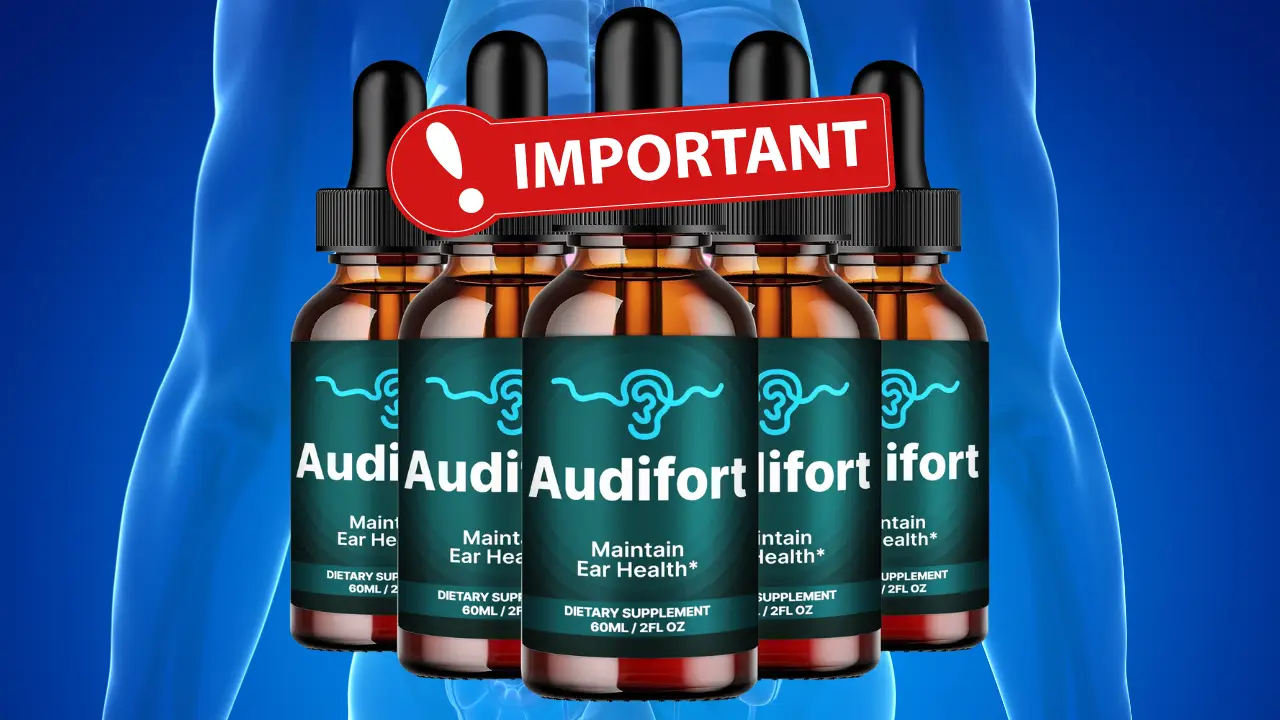
Audifort Reviews
Detailed Audifort hearing aid supplement review covering ingredients, clinical evidence, customer complaints, pricing, and expert analysis. Read before buying.
The hearing health supplement market continues to expand as millions of Americans seek alternatives to traditional hearing aids. Among the products gaining attention is Audifort, a dietary supplement that claims to support hearing health through natural ingredients. However, with numerous reviews and complaints circulating online, consumers understandably want to separate fact from fiction before making a purchase decision.
This comprehensive review examines Audifort from multiple angles, including its formulation, scientific backing, customer experiences, pricing structure, and reported complaints. By the end of this analysis, you’ll have the information necessary to determine whether Audifort aligns with your hearing health goals.
What Is Audifort?
Audifort is marketed as a dietary supplement designed to support hearing function and protect against age-related hearing decline. The product positions itself as a natural alternative to hearing aids, claiming to address the root causes of hearing loss through a blend of vitamins, minerals, and herbal extracts.
According to the manufacturer, Audifort targets inflammation in the auditory system, supports nerve function, and provides antioxidant protection to the delicate structures of the inner ear. The supplement comes in capsule form and is intended for daily use as part of a long-term hearing health regimen.
How Audifort Claims to Work
The manufacturer suggests that Audifort operates through several mechanisms:
Reducing Inflammation: Chronic inflammation in the auditory system can damage hair cells and neural pathways responsible for transmitting sound signals to the brain.
Supporting Nerve Health: The supplement contains ingredients purportedly designed to maintain the health of auditory nerves and improve signal transmission.
Providing Antioxidant Protection: Oxidative stress contributes to cellular damage in the inner ear, and antioxidants may help neutralize harmful free radicals.
Improving Blood Circulation: Enhanced blood flow to the inner ear can ensure adequate oxygen and nutrient delivery to auditory structures.
While these mechanisms sound scientifically plausible, it’s essential to examine whether the specific ingredients in Audifort have robust clinical evidence supporting these claims.
Ready to Try Audifort? [Visit Official Audifort Website]
Audifort Ingredients: A Detailed Breakdown
Understanding what’s inside Audifort is crucial for evaluating its potential effectiveness. The supplement contains a proprietary blend of natural ingredients, each selected for its purported benefits to hearing health.
Key Active Ingredients
Ginkgo Biloba Extract: This herbal extract has been studied for its potential to improve blood circulation, including to the inner ear. According to research published in the International Journal of Audiology, ginkgo biloba may offer modest benefits for certain types of hearing issues, though results remain mixed across studies (source).
Magnesium: This essential mineral plays a role in protecting hair cells in the inner ear from noise-induced damage. A study in the American Journal of Otolaryngology found that magnesium supplementation might help prevent hearing loss caused by excessive noise exposure (source).
Zinc: Adequate zinc levels are necessary for maintaining immune function and cellular health in the auditory system. Research suggests that zinc deficiency may correlate with age-related hearing decline.
Vitamin B Complex: B vitamins, particularly B12 and folate, support nerve health and may help maintain the myelin sheath surrounding auditory nerves. Studies have explored the relationship between B vitamin deficiency and hearing loss in older adults.
Alpha-Lipoic Acid: This powerful antioxidant may protect against oxidative stress in the inner ear. Some animal studies have shown promising results regarding its protective effects on auditory structures.
N-Acetyl Cysteine (NAC): NAC serves as a precursor to glutathione, one of the body’s most important antioxidants. Research has investigated its potential to prevent noise-induced hearing loss and support recovery after acoustic trauma.
Ingredient Quality and Sourcing
The manufacturer claims that Audifort uses high-quality, naturally sourced ingredients manufactured in FDA-registered facilities following Good Manufacturing Practices (GMP). However, the company provides limited transparency regarding specific sourcing details or third-party testing certifications.
Scientific Evidence: Does Audifort Really Work?
While individual ingredients in Audifort have been studied for their potential hearing health benefits, it’s important to note that the specific formulation of Audifort has not been subjected to independent clinical trials.
What Research Says About the Ingredients
Promising Individual Studies: Several ingredients, including ginkgo biloba and magnesium, have shown potential in isolated studies for specific hearing-related conditions.
Limited Evidence for Combination Formulas: There is currently no peer-reviewed research demonstrating that the specific combination of ingredients in Audifort provides synergistic benefits for hearing health.
Mixed Results in Clinical Settings: According to the National Institute on Deafness and Other Communication Disorders (NIDCD), while some supplements show promise in laboratory settings, translating these results to meaningful improvements in human hearing remains challenging (source).
The Reality of Dietary Supplements for Hearing Loss
Healthcare professionals emphasize that dietary supplements should not replace evidence-based treatments for hearing loss. The American Speech-Language-Hearing Association (ASHA) notes that while maintaining proper nutrition supports overall health, including ear health, supplements cannot reverse established hearing damage or replace hearing aids when medically necessary (source).
Audifort Customer Reviews: What Users Are Saying
Customer feedback provides valuable insights into real-world experiences with Audifort. Reviews from verified purchasers present a mixed picture of satisfaction and results.
Positive Customer Experiences
Some users report noticeable improvements after taking Audifort consistently for several weeks or months:
Subjective Hearing Improvements: Several customers mention experiencing clearer sound perception and reduced difficulty in conversations, particularly in noisy environments.
Reduced Tinnitus Symptoms: A portion of reviewers claim that their tinnitus (ringing in the ears) became less bothersome or occurred less frequently.
Overall Satisfaction: Positive reviews often highlight satisfaction with the natural ingredient profile and the absence of significant side effects.
Better Quality of Life: Some users report feeling more confident in social situations and experiencing less fatigue from straining to hear.
Common Complaints and Criticisms
However, a significant number of customers express dissatisfaction with their Audifort experience:
No Noticeable Results: Many reviewers report taking the supplement for the recommended duration without experiencing any measurable improvement in hearing ability.
Slow or Minimal Effects: Even among those who noticed changes, some felt the improvements were too subtle or took too long to manifest.
Pricing Concerns: Multiple complaints focus on the cost of the supplement, particularly when purchased as a multi-month supply, with customers questioning the value proposition.
Difficulty with Refunds: Several reviewers report challenges when attempting to obtain refunds under the money-back guarantee, citing unresponsive customer service or complicated return processes.
Misleading Marketing: Some customers feel that the product’s marketing overstates potential benefits, leading to unrealistic expectations.
Analysis of Review Patterns
When examining customer feedback across multiple platforms, certain patterns emerge. Products with mixed reviews like Audifort often reflect the reality that individual responses to dietary supplements vary considerably based on factors including:
- The underlying cause of hearing difficulties
- Severity and duration of hearing issues
- Overall health status and medication interactions
- Consistency of supplement usage
- Realistic expectations versus actual product capabilities
Audifort Complaints: Addressing Common Concerns
Beyond general customer reviews, specific complaints about Audifort warrant closer examination.
Efficacy and Results Complaints
The most prevalent complaint involves lack of results. Many customers expected significant hearing improvements based on marketing claims but experienced little to no change. This disconnect between expectation and reality represents a common issue in the dietary supplement industry, where regulatory standards for efficacy claims differ from those required for pharmaceutical products.
Customer Service Issues
Several customers report frustration with the company’s customer service, including:
- Delayed responses to inquiries
- Difficulty reaching representatives by phone
- Complications when processing returns or refunds
- Perceived lack of empathy or resolution for concerns
Billing and Subscription Complaints
Some complaints involve unexpected charges related to subscription or auto-ship programs. Customers report being enrolled in recurring billing without fully understanding the terms or experiencing difficulty canceling these subscriptions.
Advertising and Marketing Concerns
Critics point to aggressive marketing tactics and potentially exaggerated claims in Audifort advertisements. Some customers feel misled by before-and-after testimonials or celebrity endorsements that may not accurately represent typical results.
Audifort Pricing and Purchase Options
Understanding the cost structure of Audifort helps consumers make informed financial decisions.
Standard Pricing
Audifort is primarily available through the manufacturer’s official website, with pricing structured to encourage bulk purchases:
Single Bottle: Typically priced around $69-$79 for a one-month supply Three-Bottle Package: Often offered at approximately $177-$197 (roughly $59-$66 per bottle) Six-Bottle Package: Usually priced around $294-$354 (approximately $49-$59 per bottle)
These prices may fluctuate based on promotional offers or seasonal discounts.
Ready to Try Audifort? [Visit Official Audifort Website]
Availability and Distribution
The manufacturer recommends purchasing Audifort exclusively through the official website to ensure product authenticity and eligibility for the money-back guarantee. The product is generally not available in retail stores or through major online marketplaces, though unauthorized sellers may occasionally list it.
Money-Back Guarantee
Audifort typically comes with a 60-day or 90-day money-back guarantee (terms may vary), allowing customers to request a refund if unsatisfied with results. However, as mentioned in customer complaints, some users report difficulties actually obtaining these refunds despite the stated policy.
Potential Side Effects and Safety Considerations
While Audifort is marketed as a natural supplement, consumers should understand potential risks and interactions.
Reported Side Effects
Most users report tolerating Audifort well, but some individuals experience:
- Mild digestive upset or nausea
- Headaches
- Dizziness
- Allergic reactions to specific herbal ingredients
Drug Interactions
Certain ingredients in Audifort may interact with medications:
Ginkgo Biloba: Can interact with blood thinners, increasing bleeding risk Magnesium: May affect absorption of certain antibiotics and osteoporosis medications Zinc: Can interfere with copper absorption when taken in high doses
Who Should Avoid Audifort
The following individuals should exercise caution or avoid Audifort without consulting a healthcare provider:
- Pregnant or breastfeeding women
- Individuals with bleeding disorders
- Those scheduled for surgery (particularly concerning ginkgo biloba)
- People with known allergies to any ingredients
- Individuals taking prescription medications without medical clearance
According to the Mayo Clinic, consumers should always discuss new supplements with their healthcare provider, especially when managing existing health conditions or taking medications (source).
Alternatives to Audifort for Hearing Health
For those seeking hearing support, several alternatives merit consideration.
Evidence-Based Medical Interventions
Hearing Aids: For diagnosed hearing loss, properly fitted hearing aids remain the gold standard treatment, backed by extensive clinical evidence.
Cochlear Implants: For severe hearing loss, these devices provide significant benefits that supplements cannot match.
Medical Treatment: Certain types of hearing issues result from treatable medical conditions requiring professional diagnosis and intervention.
Lifestyle Modifications
Hearing Protection: Preventing further damage through ear protection in noisy environments represents a proven strategy.
Cardiovascular Health: Maintaining heart health and circulation supports auditory function.
Balanced Nutrition: A diet rich in antioxidants, omega-3 fatty acids, and essential nutrients supports overall ear health without requiring specific supplements.
Other Hearing Supplements
Several competing products target hearing health, including Quietum Plus, Sonovive, and Cortexi. These products contain similar ingredients and face similar questions regarding efficacy and clinical evidence.
Expert Opinions on Hearing Health Supplements
Healthcare professionals generally approach hearing supplements with cautious optimism tempered by scientific realism.
Audiologist Perspective
Audiologists emphasize that while nutritional support plays a role in overall health, supplements cannot replace proper hearing assessment and evidence-based treatments. The importance of comprehensive hearing evaluations cannot be overstated, as different types of hearing loss require different interventions.
Otolaryngologist Viewpoint
Ear, nose, and throat specialists note that while certain nutrients support ear health, the effectiveness of supplement formulations for treating existing hearing loss remains insufficiently proven. They stress the importance of identifying and addressing underlying medical causes of hearing difficulties.
Nutritionist Input
Registered dietitians generally support obtaining nutrients from whole food sources when possible, noting that bioavailability and absorption from dietary sources often exceed that from supplements.
Ready to Try Audifort? [Visit Official Audifort Website]
How to Determine If Audifort Is Right for You
Making an informed decision about Audifort requires honest self-assessment and realistic expectations.
Questions to Ask Yourself
Have you received a professional hearing evaluation? Understanding the type and severity of your hearing issues is essential before pursuing any treatment.
What are your expectations? If you expect Audifort to cure significant hearing loss or replace hearing aids, you may be disappointed.
Can you afford the long-term cost? Supplements typically require consistent, long-term use, representing an ongoing financial commitment.
Are you taking other medications? Potential interactions necessitate medical consultation before starting new supplements.
Steps Before Purchasing
- Schedule a comprehensive hearing test with a licensed audiologist
- Discuss supplement use with your healthcare provider
- Research the company’s reputation and return policy thoroughly
- Read recent, verified customer reviews from multiple sources
- Start with the smallest package if you decide to try Audifort
The Bottom Line: Is Audifort Worth Trying?
After examining the evidence, customer experiences, and expert perspectives, Audifort presents a complex picture typical of many dietary supplements in the hearing health category.
Potential Benefits
- Contains ingredients with some research supporting hearing health
- Natural formulation with generally good tolerability
- Money-back guarantee provides some financial protection
- May offer mild benefits for certain individuals
Significant Limitations
- Lack of clinical trials on the specific Audifort formulation
- Mixed customer reviews with many reporting no results
- Cannot replace evidence-based treatments for diagnosed hearing loss
- Relatively expensive for an unproven supplement
- Customer service complaints raise concerns
Final Verdict
Audifort may be worth considering as a complementary approach for individuals with mild hearing concerns who have already consulted healthcare professionals and have realistic expectations. However, it should not serve as a replacement for proper medical evaluation and evidence-based treatments.
For those experiencing significant hearing difficulties, professional assessment and appropriate interventions—which may include hearing aids, medical treatment, or other evidence-based therapies—should take priority over dietary supplements.
Frequently Asked Questions About Audifort
How long does it take for Audifort to work? The manufacturer suggests taking Audifort for at least 60-90 days to assess results. However, customer experiences vary widely, with some reporting subtle changes within weeks and others experiencing no benefits after several months.
Can Audifort cure hearing loss? No. Audifort is a dietary supplement that may support hearing health but cannot cure or reverse established hearing damage. Permanent hearing loss typically requires medical devices or interventions.
Is Audifort FDA approved? Like all dietary supplements, Audifort is not FDA approved. The FDA does not approve supplements but rather regulates them under different standards than pharmaceutical drugs.
Where can I buy authentic Audifort? The manufacturer recommends purchasing exclusively through the official website to ensure product authenticity and warranty coverage.
What is Audifort’s return policy? Audifort typically offers a 60-90 day money-back guarantee, though some customers report difficulties obtaining refunds despite this stated policy.
Conclusion
Audifort represents one of many dietary supplements targeting the growing market of individuals concerned about hearing health. While the product contains ingredients with some scientific rationale for supporting auditory function, the lack of clinical trials specifically validating the Audifort formulation, combined with mixed customer reviews and reported complaints, suggests a cautious approach is warranted.
For consumers considering Audifort, the most prudent path forward involves professional hearing evaluation, consultation with healthcare providers, and maintaining realistic expectations about what dietary supplements can and cannot achieve. Hearing health requires a comprehensive approach that may include medical treatment, hearing protection, lifestyle modifications, and proper nutrition—with or without specific supplementation.
Ultimately, the decision to try Audifort remains personal, but should be made with full awareness of both its potential benefits and significant limitations. Your hearing deserves evidence-based care, and any supplement should complement, not replace, professional medical guidance.