Lower back pain affects approximately 80% of adults at some point in their lives, making it one of the most common reasons for missed work and reduced quality of life. Whether you’re dealing with chronic discomfort or acute pain from sitting too long, the right stretching routine can provide significant relief without medication or invasive procedures.
This comprehensive guide explores the most effective stretches for lower back pain, backed by scientific research and expert recommendations. Additionally, we’ll discuss how natural supplements like Balmorex Pro can support your journey toward a pain-free back.
Understanding Lower Back Pain: Causes and Risk Factors
Before diving into stretches, it’s essential to understand what’s causing your discomfort. Lower back pain can stem from various sources, including:
- Muscle strain or sprain from improper lifting or sudden movements
- Herniated or bulging discs that press on nerves
- Degenerative disc disease associated with aging
- Sciatica resulting from nerve compression
- Poor posture during sitting, standing, or sleeping
- Sedentary lifestyle leading to weak core muscles
- Obesity placing excess stress on spinal structures
According to the National Institute of Neurological Disorders and Stroke, mechanical problems and soft-tissue injuries account for most lower back pain cases. Fortunately, targeted stretching can address many of these underlying issues.
Why Stretching Works for Lower Back Pain
Stretching offers multiple therapeutic benefits for your lower back:
- Increases flexibility in muscles and ligaments supporting the spine
- Improves blood circulation to facilitate healing
- Reduces muscle tension that contributes to pain
- Enhances range of motion for daily activities
- Strengthens core muscles that stabilize the spine
- Releases endorphins that act as natural pain relievers
Research published in the Annals of Internal Medicine demonstrates that stretching exercises can be as effective as yoga for reducing lower back pain and improving function. The key lies in consistency and proper technique.
17 Proven Stretches for Lower Back Pain Relief
Basic Stretches for Beginners
1. Knee-to-Chest Stretch
This gentle stretch targets the lower back muscles and helps reduce tension in the lumbar spine.
How to perform:
- Lie on your back with both knees bent and feet flat on the floor
- Bring one knee toward your chest, clasping your hands behind the thigh
- Hold for 20-30 seconds while keeping your lower back pressed to the floor
- Return to starting position and repeat with the opposite leg
- Perform 2-3 repetitions per side
Benefits: This stretch elongates the lower back muscles and can provide immediate relief from acute pain.
2. Cat-Cow Stretch (Chakravakasana)
A dynamic yoga pose that improves spinal flexibility and relieves tension throughout the back.
How to perform:
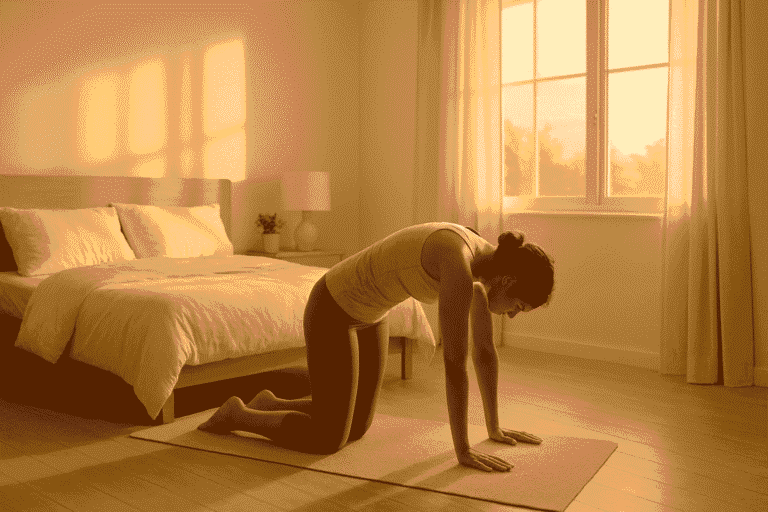
- Start on your hands and knees in a tabletop position
- Inhale while arching your back, lifting your head and tailbone (Cow pose)
- Exhale while rounding your spine, tucking your chin to chest (Cat pose)
- Flow smoothly between positions for 10-15 repetitions
- Move slowly and synchronize breath with movement
Benefits: This stretch mobilizes the entire spine, increases circulation, and helps identify areas of stiffness.
3. Child’s Pose (Balasana)
A restorative yoga position that gently stretches the lower back, hips, and thighs.
How to perform:
- Kneel on the floor with big toes touching and knees hip-width apart
- Sit back on your heels and extend arms forward on the floor
- Lower your forehead to the ground or a cushion
- Hold for 30-60 seconds while breathing deeply
- Focus on releasing tension with each exhale
Benefits: This passive stretch promotes relaxation and elongates the spine without strain.
4. Pelvic Tilts
An excellent exercise for strengthening abdominal muscles while gently stretching the lower back.
How to perform:
- Lie on your back with knees bent and feet flat on the floor
- Tighten your abdominal muscles and flatten your lower back against the floor
- Hold for 5 seconds, then relax
- Complete 10-15 repetitions
- Breathe normally throughout the exercise
Benefits: Pelvic tilts improve core stability and teach proper spinal alignment.
5. Lying Spinal Twist
This rotational stretch targets the lower back and outer hip muscles.
How to perform:
- Lie on your back with arms extended to the sides in a T-position
- Bend your right knee and cross it over your body to the left side
- Keep shoulders flat on the ground while turning your head to the right
- Hold for 20-30 seconds
- Return to center and repeat on the opposite side
Benefits: Spinal twists improve rotational flexibility and can help realign vertebrae.
Intermediate Stretches for Greater Flexibility
6. Piriformis Stretch
The piriformis muscle can compress the sciatic nerve when tight, causing radiating pain.
How to perform:
- Lie on your back with both knees bent
- Cross your right ankle over your left knee
- Grasp your left thigh and pull it toward your chest
- Hold for 20-30 seconds until you feel a stretch in your right hip
- Repeat on the opposite side
Benefits: This stretch alleviates sciatica symptoms and reduces hip tightness that affects lower back alignment.
7. Seated Spinal Twist
A seated variation that provides deeper rotational stretching.
How to perform:
- Sit on the floor with legs extended
- Bend your right knee and place your right foot outside your left knee
- Place your left elbow outside your right knee
- Twist your torso to the right, looking over your right shoulder
- Hold for 20-30 seconds, then switch sides
Benefits: This stretch improves spinal mobility and relieves tension in the obliques and back muscles.
8. Bridge Pose (Setu Bandhasana)
A strengthening pose that also stretches the hip flexors and lower back.
How to perform:
- Lie on your back with knees bent and feet hip-width apart
- Press through your heels and lift your hips toward the ceiling
- Clasp your hands beneath your back if comfortable
- Hold for 20-30 seconds while engaging your glutes
- Lower slowly and repeat 3-5 times
Benefits: Bridge pose strengthens the posterior chain while opening the hip flexors that often pull on the lower back.
9. Standing Hamstring Stretch
Tight hamstrings significantly contribute to lower back pain by pulling on the pelvis.
How to perform:
- Stand with feet hip-width apart
- Hinge at the hips and reach toward your toes
- Keep knees slightly bent to protect your lower back
- Hold for 20-30 seconds
- Rise slowly to standing position
Benefits: Lengthening the hamstrings reduces strain on the lumbar spine during movement.
10. Hip Flexor Stretch (Kneeling Lunge)
Chronically tight hip flexors from prolonged sitting create anterior pelvic tilt and lower back pain.
How to perform:
- Kneel on your right knee with left foot forward in a lunge position
- Keep your torso upright and gently push your hips forward
- Hold for 20-30 seconds while feeling a stretch in the front of your right hip
- Switch sides and repeat
Benefits: Opening the hip flexors allows for proper pelvic alignment and reduces lumbar compression.
Advanced Stretches for Experienced Practitioners
11. Cobra Pose (Bhujangasana)
A backbend that strengthens the spine while stretching the abdominal muscles.
How to perform:
- Lie face-down with palms under your shoulders
- Press into your hands and lift your chest off the floor
- Keep elbows slightly bent and shoulders away from ears
- Hold for 15-30 seconds
- Lower down slowly and repeat 3-5 times
Benefits: Cobra pose counteracts the forward flexion from sitting and strengthens spinal extensors.
12. Sphinx Pose
A gentler backbend suitable for those with more sensitive lower backs.
How to perform:
- Lie on your stomach with forearms on the floor
- Position elbows directly under shoulders
- Press forearms down and lift your chest
- Hold for 30-60 seconds while breathing deeply
- Keep your pelvis on the floor throughout
Benefits: This modified backbend provides spinal extension without excessive compression.
13. Seated Forward Fold (Paschimottanasana)
An intense hamstring and back stretch that requires good flexibility.
How to perform:
- Sit with legs extended straight in front
- Hinge at the hips and reach toward your feet
- Keep your spine long rather than rounding forward
- Hold for 30-60 seconds
- Only go as far as comfortable without straining
Benefits: This deep stretch addresses tightness throughout the posterior chain.
14. Thread the Needle Stretch
A combination stretch targeting the shoulders, upper back, and lower back simultaneously.
How to perform:
- Start in a tabletop position on hands and knees
- Slide your right arm underneath your left arm, bringing your right shoulder to the floor
- Rest your right ear on the floor
- Hold for 20-30 seconds
- Return to center and repeat on the opposite side
Benefits: This stretch releases tension in the thoracic spine that can refer pain to the lower back.
15. Supine Figure-Four Stretch
A reclined version of the piriformis stretch with added intensity.
How to perform:
- Lie on your back near a wall
- Place both feet flat against the wall with knees bent at 90 degrees
- Cross your right ankle over your left knee, creating a figure-four shape
- Press your right knee away from your body
- Hold for 30-45 seconds, then switch sides
Benefits: This variation provides deeper hip opening and relief from sciatic nerve compression.
16. Supported Fish Pose
A restorative backbend that opens the chest and gently arches the spine.
How to perform:
- Place a yoga block or rolled towel lengthwise under your spine
- Lie back with the support beneath your shoulder blades
- Allow arms to rest at your sides with palms up
- Hold for 1-3 minutes while breathing deeply
- Remove the prop slowly when finished
Benefits: This passive stretch opens the front body while providing gentle spinal extension.
17. Wind-Relieving Pose (Pavanamuktasana)
A two-knee variation of the knee-to-chest stretch with enhanced benefits.
How to perform:
- Lie on your back and bring both knees to your chest
- Wrap your arms around your legs
- Gently rock side to side to massage the lower back
- Hold the static position for 30-60 seconds
- Release slowly and extend legs
Benefits: This pose relieves gas, massages abdominal organs, and provides comprehensive lower back relief.
Creating Your Lower Back Stretching Routine
Daily Stretching Protocol
For optimal results, follow this evidence-based routine:
Morning routine (5-10 minutes):
- Cat-Cow Stretch (10 repetitions)
- Child’s Pose (30 seconds)
- Knee-to-Chest Stretch (both sides)
- Pelvic Tilts (10 repetitions)
Evening routine (10-15 minutes):
- Lying Spinal Twist (both sides)
- Piriformis Stretch (both sides)
- Bridge Pose (5 repetitions)
- Child’s Pose (60 seconds)
After prolonged sitting:
- Standing Hamstring Stretch
- Hip Flexor Stretch (both sides)
- Cat-Cow Stretch
According to the American College of Physicians, regular stretching and exercise should be the first-line treatment for chronic lower back pain before considering medication.
Stretching Safety Guidelines
To prevent injury and maximize benefits:
- Warm up first with 5 minutes of light walking or gentle movement
- Never bounce during stretches; hold steady positions
- Breathe normally and never hold your breath
- Start gradually if you’re new to stretching
- Listen to your body and stop if you experience sharp pain
- Hold stretches for at least 20-30 seconds for effectiveness
- Maintain consistency by stretching daily for best results
- Progress slowly to more advanced stretches over time
Complementary Treatments for Lower Back Pain
Strengthening Exercises
While stretching provides relief, strengthening core muscles prevents future pain:
- Planks for overall core stability
- Bird dogs for coordinated core and back strength
- Dead bugs for deep abdominal activation
- Glute bridges for posterior chain strength
- Side planks for lateral stability
Research from the Cleveland Clinic emphasizes that combining stretching with strengthening exercises produces superior outcomes compared to either approach alone.
Lifestyle Modifications
Address the root causes of lower back pain:
- Improve posture during sitting and standing
- Use ergonomic furniture at work and home
- Maintain healthy weight to reduce spinal stress
- Stay active with regular low-impact exercise
- Practice stress management as tension exacerbates pain
- Get adequate sleep on a supportive mattress
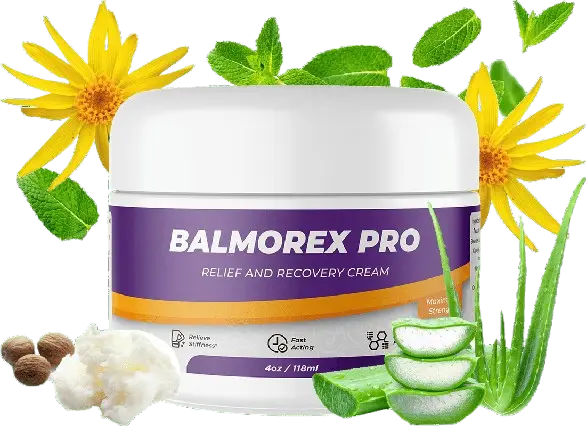
Natural Supplement Support: Balmorex Pro
Many individuals seek natural solutions to complement their stretching routine. Balmorex Pro is a topical supplement specifically formulated to support joint and muscle health, making it an excellent addition to your lower back pain management strategy.
Key benefits of Balmorex Pro:
- Targeted topical application directly to areas of discomfort
- Natural ingredients including arnica, MSM, and hemp seed oil
- Fast-acting formula for quick relief
- Non-greasy absorption suitable for daily use
- Supports inflammation response naturally
- Complements stretching by enhancing muscle recovery
When combined with regular stretching, Balmorex Pro can help reduce discomfort and support your body’s natural healing processes. The topical application allows active ingredients to penetrate directly to affected areas, providing targeted support where you need it most.
How to use Balmorex Pro effectively:
Apply a small amount to your lower back after completing your stretching routine. Massage gently until fully absorbed. For best results, use consistently both morning and evening, particularly after physical activity or prolonged sitting.
Ready to Experience Natural Lower Back Pain Relief?
Don’t let lower back pain control your life any longer. Thousands of people have already discovered the powerful combination of targeted stretching and Balmorex Pro’s natural formula for lasting relief.
🎯 Take Action Today:
Click Here to Get Balmorex Pro at an Exclusive Discount →
✅ 100% Natural Ingredients – No harsh chemicals or synthetic compounds
✅ Fast-Acting Formula – Feel the difference within minutes
✅ Risk-Free Guarantee – Try it with complete confidence
✅ Limited-Time Offer – Special pricing available now
Perfect for:
- Office workers suffering from prolonged sitting
- Athletes dealing with muscle soreness
- Seniors managing age-related discomfort
- Anyone seeking natural pain management solutions
Combine your daily stretching routine with Balmorex Pro and experience the difference that natural, targeted relief can make. Your journey to a pain-free back starts with one simple decision.
Order Balmorex Pro Now – Limited Stock Available →
Join thousands of satisfied customers who have reclaimed their active, pain-free lifestyle!
When to Seek Professional Help
While stretching helps most cases of lower back pain, certain symptoms require medical attention:
- Severe pain that doesn’t improve with rest or stretching
- Numbness or tingling in legs or feet
- Weakness in lower extremities
- Loss of bladder or bowel control (seek emergency care)
- Pain following trauma such as a fall or accident
- Unexplained weight loss accompanying back pain
- Fever with back pain
- Pain lasting longer than 6 weeks despite conservative treatment
The Mayo Clinic recommends consulting a healthcare provider if back pain persists or worsens despite self-care measures.
Long-Term Prevention Strategies
Preventing lower back pain recurrence requires ongoing commitment:
Daily habits:
- Perform your stretching routine consistently
- Take movement breaks every 30-60 minutes when sitting
- Practice proper lifting techniques (bend knees, not back)
- Wear supportive footwear
- Avoid prolonged standing or sitting in one position
Weekly activities:
- Engage in 150 minutes of moderate aerobic exercise
- Include two strength training sessions
- Practice yoga or Pilates for flexibility and core strength
- Get professional massage therapy monthly if possible
Monthly assessments:
- Evaluate your posture and ergonomic setup
- Replace worn-out shoes or mattresses as needed
- Track pain patterns to identify triggers
- Adjust your routine based on results
Conclusion: Your Path to a Pain-Free Back
Lower back pain doesn’t have to limit your life. By implementing these 17 evidence-based stretches into your daily routine, you can significantly reduce discomfort, improve flexibility, and prevent future episodes. Remember that consistency is more important than intensity—gentle, regular stretching produces better long-term results than aggressive, sporadic efforts.
Combine your stretching program with core strengthening exercises, lifestyle modifications, and natural support from products like Balmorex Pro to create a comprehensive approach to lower back health. Most importantly, listen to your body and seek professional guidance when needed.
Start with the basic stretches today, gradually progressing to more advanced positions as your flexibility improves. Within weeks, you’ll likely notice reduced pain, increased range of motion, and improved quality of life. Your journey to a healthier, pain-free back begins with a single stretch—and can be accelerated with the natural support of Balmorex Pro.
Get Started with Balmorex Pro Today – Special Offer Inside →





Energy Revolution System Reviews :~ (We Tried It) My Honest Review!11
20 hours ago — The Energy Revolution System should be understood primarily as a DIY educational guide focused on electromagnetic concepts rather than a proven