Abdominal and Lower Back Pain After Period
Suffering from abdominal and lower back pain after period? Discover the real causes, common symptoms, and effective natural remedies to find lasting relief from post-menstrual cramps and discomfort.
Experiencing abdominal and lower back pain after your period can be frustrating — especially when you expect relief after menstruation ends. While mild soreness can be normal, persistent or sharp pain may indicate an underlying issue that needs attention.
Let’s explore the possible causes, symptoms, and effective relief tips to help you understand and manage post-period pain naturally.
🩸 Why You May Feel Abdominal and Lower Back Pain After Period
Pain after menstruation often stems from hormonal changes, inflammation, or reproductive health issues. Here are the most common causes:
1. Hormonal Fluctuations
After your period, estrogen levels begin to rise again. These hormonal changes can trigger bloating, mild cramping, or lingering lower back pain as your uterus returns to its normal state.
2. Ovulation Pain (Mittelschmerz)
Some women feel abdominal or lower back pain during ovulation — usually around 10–14 days after their period. This pain occurs when the ovary releases an egg and may feel like a dull ache or sharp twinge on one side of the abdomen.
3. Uterine Contractions
Even after your period ends, your uterus may continue to contract slightly to eliminate leftover blood or tissue. These contractions can cause abdominal cramping or back discomfort, similar to menstrual cramps.
4. Endometriosis
If your post-period pain is severe or persistent, endometriosis could be the cause. This condition occurs when endometrial tissue grows outside the uterus, leading to chronic inflammation, pain during or after menstruation, and lower back stiffness.
5. Pelvic Inflammatory Disease (PID)
PID is an infection of the female reproductive organs that can cause abdominal tenderness, back pain, and unusual vaginal discharge. It’s usually the result of untreated bacterial infections like chlamydia or gonorrhea.
6. Ovarian Cysts
Fluid-filled sacs known as ovarian cysts can form during the menstrual cycle. When they rupture or enlarge, they may cause sharp lower abdominal and back pain even after your period ends.
7. Fibroids
Uterine fibroids — noncancerous growths in the uterus — can create pressure, heaviness, and persistent pelvic or lower back pain that lingers beyond menstruation.
8. Digestive or Bowel Issues
Sometimes, abdominal pain after period isn’t purely gynecological. Conditions like irritable bowel syndrome (IBS) or constipation can cause lower abdominal discomfort that worsens around the menstrual cycle due to hormonal sensitivity.
⚠️ Common Symptoms That May Accompany Pain
If you’re experiencing abdominal and lower back pain after period, you may also notice:
- Bloating or pelvic pressure
- Fatigue or mood swings
- Nausea or mild dizziness
- Cramping or sharp twinges
- Irregular discharge or spotting
- Pain during urination or bowel movements
Persistent or worsening pain, fever, or unusual bleeding should always be discussed with a healthcare professional.
🌿 Relief Tips for Abdominal and Lower Back Pain After Period
The good news is — several natural remedies and lifestyle changes can help ease post-period pain safely and effectively.
1. Apply Heat
A warm compress or heating pad on the lower abdomen or back helps relax muscles and improves blood flow, offering quick pain relief.
2. Stay Hydrated
Drink plenty of water to reduce bloating and muscle tension. Warm herbal teas such as ginger or chamomile can soothe cramps and inflammation naturally.
3. Stretch and Move
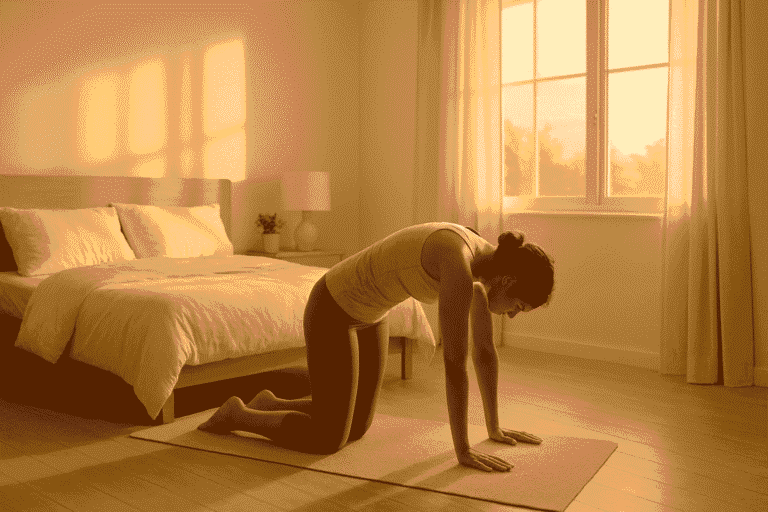
Gentle yoga poses like Child’s Pose, Cat-Cow, or Pelvic Tilts can relieve muscle tightness and improve circulation to the pelvic area.
4. Eat an Anti-Inflammatory Diet
Focus on whole foods such as leafy greens, berries, nuts, and fatty fish. Avoid excessive caffeine, alcohol, or salty snacks that can worsen bloating and cramps.
5. Massage Therapy
Light abdominal or lower back massage with essential oils (like lavender or peppermint) can ease tension and promote relaxation.
6. Over-the-Counter Relief
If pain persists, OTC pain relievers like ibuprofen or naproxen can help reduce inflammation and cramping. Always follow dosage guidelines and consult your doctor if symptoms persist.
7. Prioritize Rest and Sleep
Hormonal fluctuations can affect energy levels and mood. Ensure you get enough sleep and avoid excessive stress — both can amplify pain perception.
8. Consider Professional Evaluation
If your abdominal and lower back pain continues for several cycles or worsens over time, consult a gynecologist. Conditions like endometriosis, fibroids, or ovarian cysts may require medical evaluation or treatment.
💬 When to See a Doctor
Seek medical advice if you experience:
- Pain lasting more than a few days after period
- Fever, vomiting, or heavy discharge
- Severe cramps unresponsive to medication
- Pain interfering with daily life or intimacy
Your doctor may perform a pelvic exam, ultrasound, or blood test to identify the root cause and recommend personalized treatment.
🧘♀️ Preventive Tips for a Healthier Menstrual Cycle
- Maintain a balanced diet rich in iron and magnesium
- Exercise regularly to improve pelvic blood flow
- Track your cycle to notice patterns or changes
- Manage stress with meditation or breathing exercises
- Avoid smoking and excessive caffeine
Taking proactive steps can help minimize post-period pain and improve your overall menstrual health.
❓ FAQs About Abdominal and Lower Back Pain After Period
Q1. Is it normal to have abdominal pain after my period ends?
Mild pain or discomfort can be normal due to hormonal shifts or uterine contractions. However, severe or prolonged pain should be checked by a doctor.
Q2. Why does my lower back hurt even after my period is over?
Your lower back pain after period may be caused by muscle tension, hormonal changes, or underlying issues like endometriosis or fibroids.
Q3. How can I relieve abdominal and back pain naturally?
Try heat therapy, gentle stretching, hydration, and an anti-inflammatory diet. Herbal teas and relaxation techniques also help reduce pain naturally.
Q4. When should I see a doctor about post-period pain?
If pain persists for more than 3 days after menstruation, or if you experience fever, unusual discharge, or severe cramps, seek medical attention immediately.
Q5. Can stress make period-related pain worse?
Yes. High stress levels increase cortisol, which can disrupt hormones and worsen menstrual cramps and post-period pain.
✅ Final Thoughts
Experiencing abdominal and lower back pain after period is common, but it shouldn’t be ignored — especially if it disrupts your daily life. Understanding your body’s signals, maintaining a healthy lifestyle, and consulting your healthcare provider when necessary can make a world of difference.
By combining natural remedies, gentle movement, and mindful self-care, you can restore balance and comfort to your cycle every month.